Infidelity & Betrayal Trauma Therapy in Scottsdale, AZ
and online throughout Arizona and Texas
This kind of pain deserves more than just time.
There are few things that hurt like this
Finding out someone you trusted - someone you built a life with, someone you chose - wasn’t who you thought they were doesn’t just hurt, it dismantles life as you know it. Your sense of reality and ability to trust your own judgement feels shaken.
You might be in the early days of it - the shock still fresh, the details still surfacing, your mind still trying to make sense of something that doesn’t make sense of something that doesn’t make sense. Or you might have known for a while and still can’t seem to find solid ground. Either way, the pain is real and you don’t have to keep carrying it alone.
This is more than heartbreak, it’s trauma.
Betrayal trauma is a specific and well-researched phenomenon, and it’s different from ordinary grief or heartbreak. When someone we depend on for safety and connection betrays us, it doesn’t just hurt emotionally; it dysregulates the nervous system in the same way other traumatic experiences do. Which is why you might be experiencing:
Intrusive thoughts and images you can’t turn off
Hypervigilance, constantly scanning for lies or signs
Emotional flooding, waves of rage, grief, numbness that come out of nowhere
Difficulty eating, sleeping, or concentrating
A shattered sense of reality, questioning everything you thought you knew
Physical symptoms, chest tightness, nausea, exhaustion
Loss of identity, not knowing who you are outside of this relationship or this betrayal
This is your nervous system responding to a large attachment and relational trauma. It deserves real treatment and care, not just time.
You don’t have to have it figured out to start….
One of the most common things I hear from betrayal trauma clients is that they don’t know what they want yet. They don’t know if they’re staying or leaving. They don’t know if they can forgive. They don’t know anything right now except that they’re in pain and they need support.
You don’t need to have any of those questions answered before you reach out. This work isn’t about telling you what to do - it’s about giving you space to fall apart safely, process what happened, and eventually find your footing again. Whatever you decide from there is yours to make.
My Approach to Betrayal Trauma

Betrayal trauma requires a particular kind of care. It’s not just about processing the event, it’s about rebuilding your sense of reality, your trust in yourself, and eventually your trust in romantic relationships.
Together we will work on getting you through the acute pain, managing the intrusive thoughts, finding some ground to stand on. We will also work through the trauma itself, the grief, the anger, the identity questions, and what this means for your life going forward.
I use EMDR, Post Induction Therapy, and Attachment Therapy specifically for betrayal trauma because these approaches are designed to process traumatic material at the level where it actually lives - the nervous system. They’re particularly effective for intrusive thoughts, the hypervigilance, and the emotional flooding that make betrayal trauma so destabilizing.
Your treatment is built around where you are right now, not where you think you should be.
Process the trauma so the intrusive thoughts and images lose their grip
Rebuild your sense of reality and trust in your own perception
Move through the grief, rage, and confusion without being consumed by it
Reconnect with your own identity outside of this relationship
Make decisions about your future from a grounded place rather than a reactive one
Find your footing again, whatever that ends up looking like for you
Betrayal trauma therapy can help you…
Approaches I Use for Betrayal Trauma Therapy
-
![Therapist holding EMDR bilateral stimulation buzzers during session, EMDR betrayal trauma therapy Scottsdale Arizona]()
EMDR Therapy
Eye Movement Desensitization and Reprocessing is particularly effective for the intrusive images, hypervigilance, and emotional flooding of betrayal trauma. Processing the traumatic material so it loses its grip on your present.
-
![Therapy office details with planner and books, Post Induction Therapy betrayal and relational trauma treatment Scottsdale Arizona]()
Post Induction Therapy (PIT)
PIT helps identify and heal the deeper relational wounds that betrayal often activates, including attachment wounds that long predate this relationship.
-
![Therapist writing notes during Accelerated Resolution Therapy session, ART betrayal trauma therapy Scottsdale Arizona]()
Accelerated Resolution Therapy (ART)
ART rapidly reduces the emotional charge of traumatic memories which makes it particularly effective for the intrusive images and vivid flashbacks that make betrayal trauma so destabilizing.
-
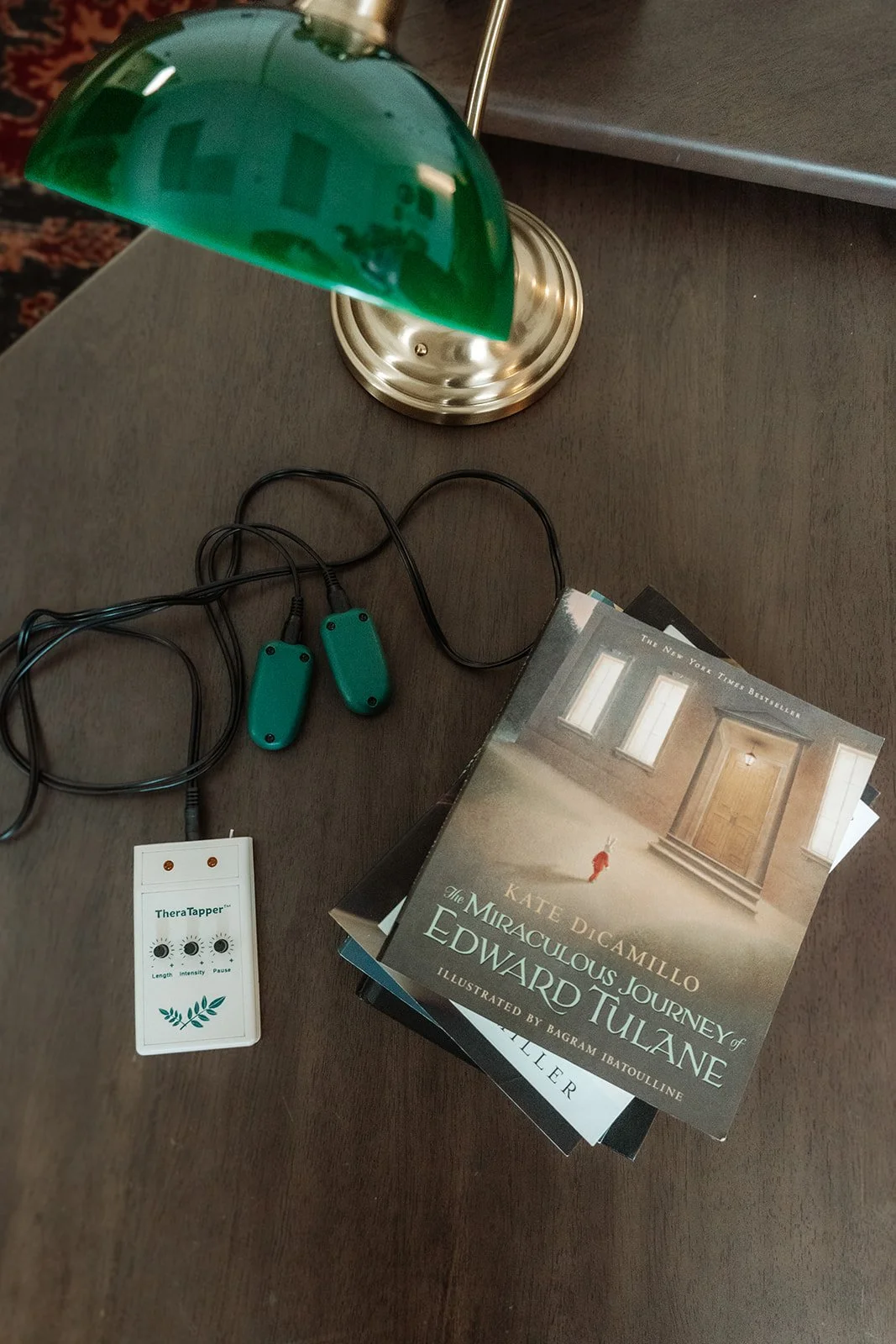
![Therapy office with Theratapper bilateral stimulation device and books, betrayal trauma intensive therapy Scottsdale Arizona]()
Intensive Therapy
For clients in acute crisis or who want to do deeper betrayal trauma work in a condensed timeframe, intensives offer extended focused sessions designed for significant breakthroughs.



Frequently Asked Questions
-
No, and honestly trying to make that decision in the middle of acute trauma is one of the hardest things to do. Therapy isn’t about pushing you toward a particular outcome. It’s about helping you process what happened and get stable enough to make decisions from a grounded place rather than a reactive one.
-
My focus in betrayal trauma therapy is on you as an individual. Your healing, your nervous system, your process. If couples work becomes relevant down the line, that’s a conversation we can have, but individual work first is almost always the right starting point after a betrayal.
-
Yes. The intrusive thoughts, the hypervigilance, the emotional flooding, the physical symptoms, the inability to concentrate - all of it is a normal response to an abnormal situation. Betrayal trauma is real, it’s well researched, and what you’re experiencing makes complete sense given what happened.
-
It varies depending on where you are when you start, what you’re working through, and how your nervous system responds to treatment. Some clients find significant relief relatively quickly, especially when we’re able to use EMDR or ART to process the traumatic material directly. Others need more time, particularly when the betrayal has activated older wounds. We’ll talk about realistic expectations early on.
-
Yes, always. The consultation is low pressure and there’s no expectation that you have to share everything right away. We move at your pace.
-
No, there’s no timeline for this, and the pressure to be “over it” usually makes things harder. Betrayal trauma doesn’t follow a schedule, especially if it’s activated older wounds or if you’re still living with reminders of what happened. Healing is about actually processing what happened at the level where it’s stored. When that happens, the intensity does shift, but forcing yourself to “just be over it” before you’ve done that work usually just buries it instead of resolving it.
-
It does shift, but usually not just with time alone. Hypervigilance is your nervous system trying to protect you from being blindsided again, and it makes complete sense given what you’ve been through. The goal of treatment isn’t to force yourself to trust again, but to help your nervous system actually process what happened so it stops running in constant alert mode. As that processing happens, most clients notice the suspicion and hyperawareness start to soften.
You didn’t deserve what happened to you.
You do deserve support in healing from it.
Infidelity & Betrayal Trauma Therapy in Scottsdale, Arizona
Services offered virtually throughout Arizona and Texas
6609 N Scottsdale Rd, Suite G102, Scottsdale, AZ 85250