Addiction Therapy in Scottsdale, AZ
and online throughout Arizona and Texas
You don’t have to hit rock bottom to ask for support.
You never thought this would be you…
Maybe it started as a way to unwind. To take the edge off. To feel something, or stop feeling something. To numb, to distract, to avoid, but somewhere along the way it stopped feeling like a choice.
From the outside your life might look pretty put together. People might not know how much energy goes into thinking about these behaviors, the hiding, the rationalizing, or the shame that wraps around all of it. You might not even be sure you have a “real” problem. You just know something feels off and you’re tired of the cycle.
Addiction is not a problem of willpower. Research has shown time and time again that the changes that occur in the brain are far more complex than discipline or determination. Understanding these changes and the dynamics that propel addictive behaviors forward is the first step toward recovery.
Every addiction started somewhere. Alcohol that quieted the anxiety nobody knew you had. Work that kept you too busy to feel. Substances that made social situations bearable or gave you access to a version of yourself you actually liked. Whatever it was, it served a purpose.
The behavior was never the problem; it was the solution. Addiction and dysfunctional coping are often symptoms of something deeper like trauma, emotional pain that hasn’t had anywhere else to go, or relational wounds that never fully healed. The behavior often developed to compensate for something, and until we understand what that something is, real change can feel out of reach.
Therapy isn’t a place to be shamed out of your habits or have things taken away from you. It’s a space to honestly explore what your coping behaviors have been doing for you, decide what actually aligns with your values and the life you want, and heal the underlying pain that has been propelling the cycle forward. Real change becomes possible when we stop white-knuckling and start addressing what’s underneath.
Addiction is not a character flaw
My Approach to Addiction Therapy

I don’t believe in shame-based treatment. I’ve seen what it does - it drives the behavior underground, adds another layer of self-loathing, and makes real change harder to access.
What I do believe in is understanding and accountability. Every pattern makes sense in context, and our work together starts by building that context. We will look at what you’ve been managing, what the behavior has been providing, and what’s underneath it that hasn’t had anywhere else to go. From there we get honest about it together, because recovery requires both compassion and accountability in equal measure.
Here’s what our work together would look like:
Day-to-Day Work:
Building real coping skills and learning to tolerate difficult emotions
Understanding your specific triggers and cycles
Exploring what regulation actually feels like in your body
Redefining your identity outside of the addiction
Rebuilding the areas of your life that have been affected
Trauma Work:
Going back to the original wound the behavior has been compensating for
Processing the underlying trauma and pain driving the cycle
Doing deeper, structured work that creates lasting change
Recovery often requires more than just addressing the behavior. It can require a meaningful overhaul of how you live, cope, and relate to yourself and others. I use EMDR, Accelerated Resolution Therapy, Post Induction Therapy, and Motivational Interviewing to work with both the surface patterns and the underlying wounds. My approach is tailored to you, whether your goal is abstinence, harm reduction, or simply understanding your relationship with dysfunctional behaviors better. There’s no one-size-fits all here, and there’s no judgement about where you’re starting from.
Understand what your addiction has actually been doing for you
Address the underlying pain, trauma, or emotional patterns driving the behavior
Build coping strategies that actually work and stop white-knuckling
Learn what accountability looks like when it’s paired with compassion
Reduce shame and develop a more compassionate relationship with yourself
Repair the damage the addiction has done to your relationships
Get honest with yourself in a space that won’t judge you for it
Create real, lasting change - not just temporary restraint
Addiction therapy can help you…
Approaches I Use for Addiction Therapy
-
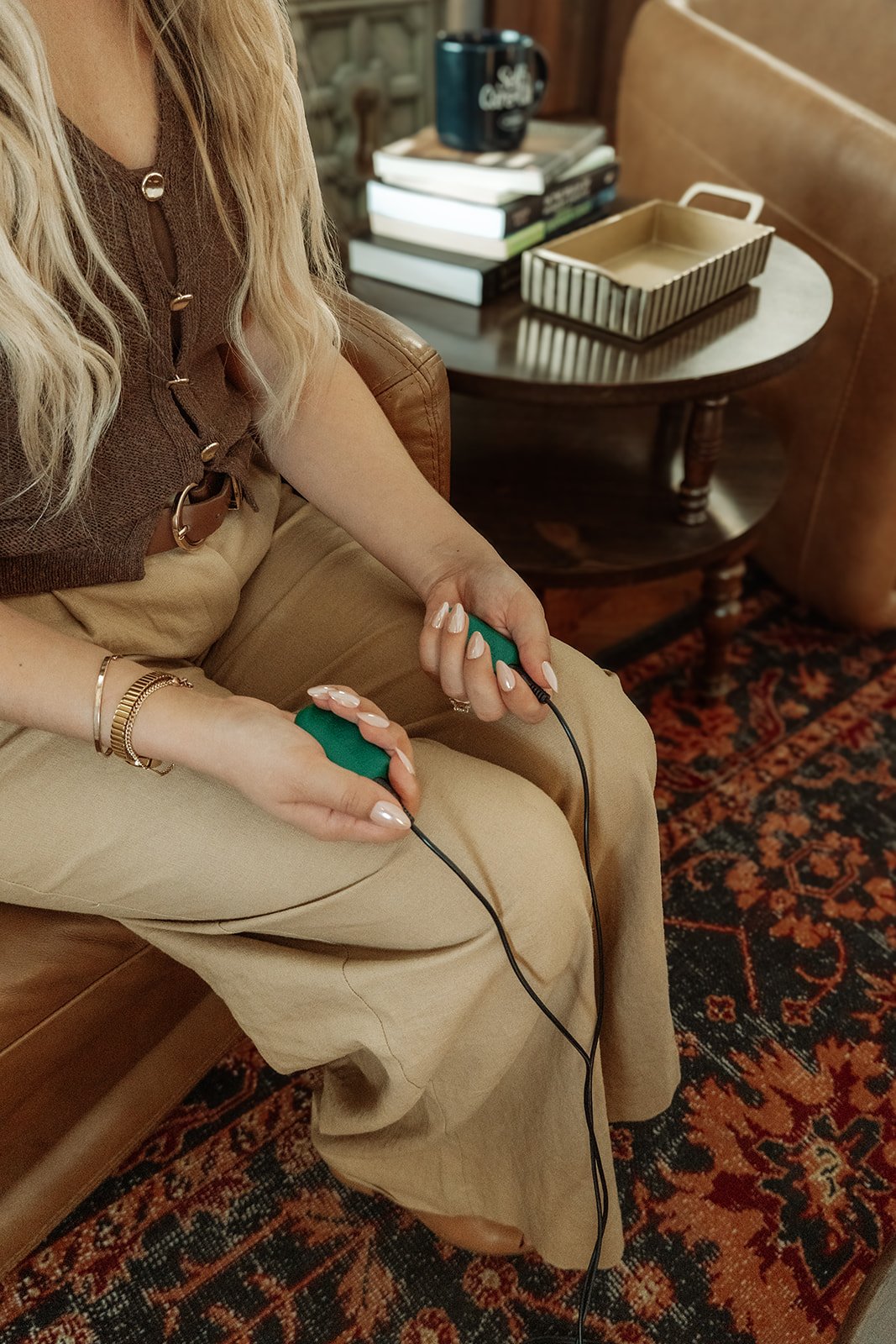
![Therapist holding EMDR bilateral stimulation buzzers during session, EMDR addiction therapy Scottsdale Arizona]()
EMDR Therapy
Eye Movement Desensitization and Reprocessing helps process the underlying trauma and emotional pain that addiction has often been managing.
-
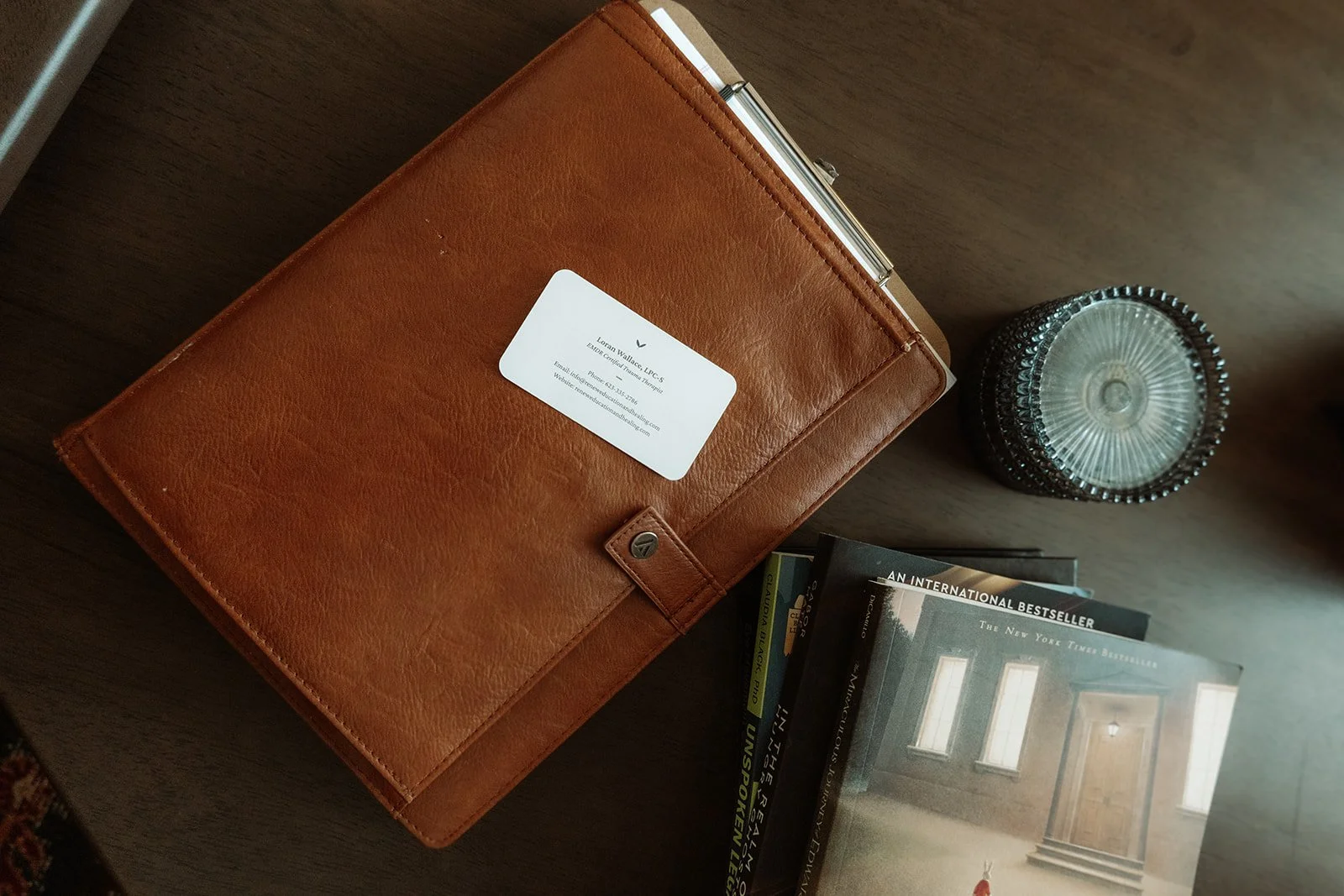
![Therapy office details with planner and books, Post Induction Therapy addiction and relational trauma treatment Scottsdale Arizona]()
Post Induction Therapy (PIT)
PIT helps identify and heal the childhood wounds and relational patterns that often sit at the rot of addictive behaviors.
-
![Therapist writing notes during Accelerated Resolution Therapy session, ART addiction therapy Scottsdale Arizona]()
Accelerated Resolution Therapy (ART)
ART quickly reduces the emotional charge of painful relational memories and experiences that have been driving the cycle.
-
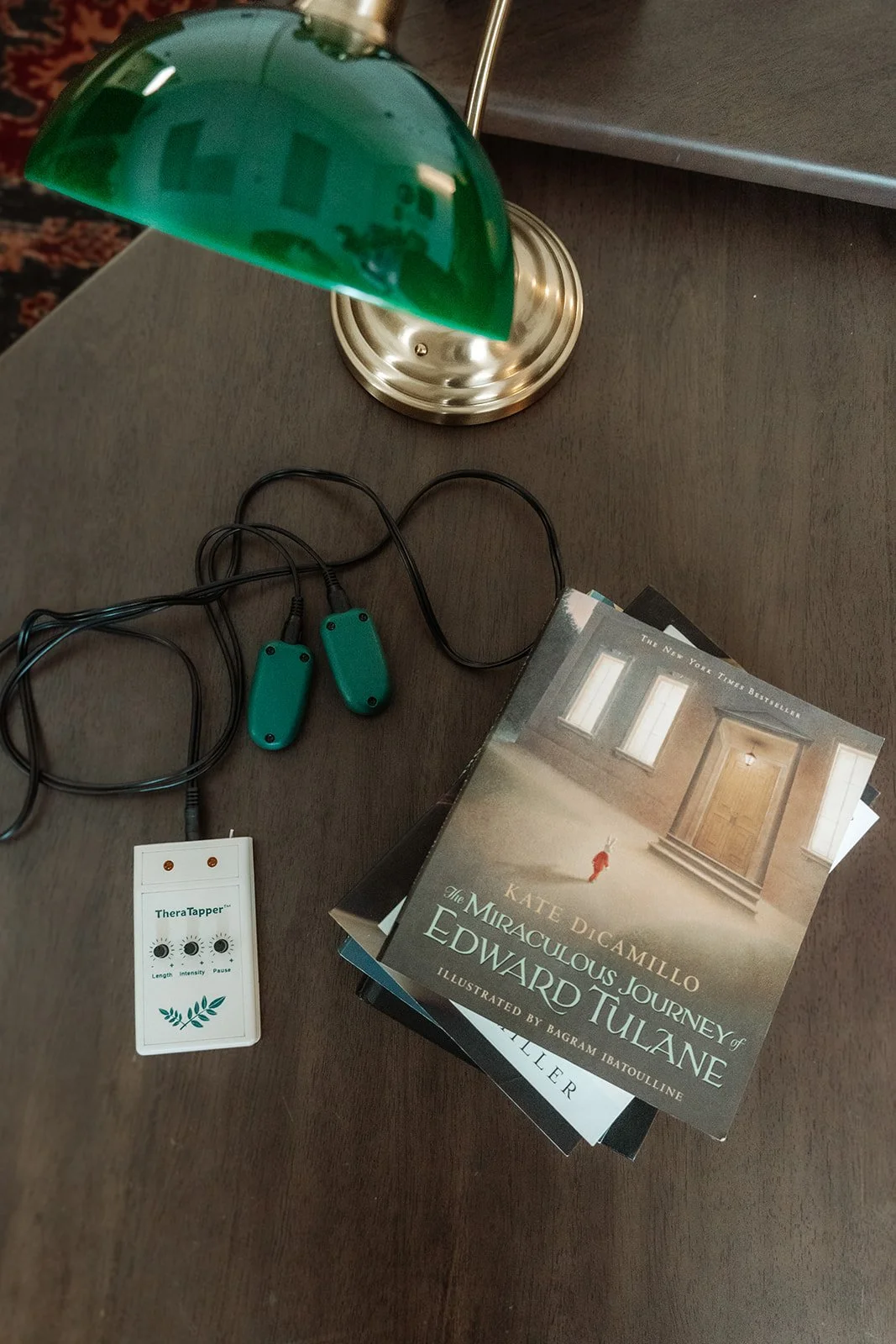
![Therapy office with Theratapper bilateral stimulation device and books, addiction intensive therapy Scottsdale Arizona]()
Intensive Therapy
For clients who want to do deep addiction work in a condensed timeframe, intensives offer extended focused sessions designed for significant breakthroughs without the slow pace of weekly therapy.

Frequently Asked Questions
-
No. You don’t need to have it figured out before you reach out. I’ll meet you where you are and work from there. That said, I will always be honest with you about whether a higher level of care might be more appropriate for where you are. My goal is to make sure you’re in the environment that’s most supportive for your safety and your goals, and sometimes that means collaborating on finding additional support alongside our work together.
-
No, my approach is individualized and draws from trauma-informed, evidence-based modalities rather than a specific program. That said, I have a deep understanding of and respect for 12-step philosophy and how it works. If 12-step is a part of your recovery, we can absolutely work alongside that. Ultimately what matters is what actually works for you, and that’s what we’ll build together.
-
You don’t need a diagnosis or a rock-bottom moment to deserve support. I use the term dysfunctional use often because what matters is whether the behavior is getting in the way of the life you actually want. If something feels off, we will explore it together - looking at your values, what you want your life to look like, and what better coping could actually feel like for you.
-
No, and I absolutely mean that. Shame is one of the things that makes change harder. Part of the healing process is feeling genuinely seen and accepted for where you are right now, while also having permission and real support to grow and change. You can have both when working with me - honesty without judgement and accountability without shame.
-
Most addiction treatment focuses on the behavior - stopping it, managing it, building accountability around it. My approach goes deeper, looking at the emotional pain, trauma, and relational patterns that the addiction has been responding to. Addressing those underlying roots is what creates lasting change rather than just temporary restraint.
-
Yes. Much like substance abuse, process addictions are often compensating for the same underlying pain. Gambling, porn, shopping, overworking, and other compulsive behaviors can be absolutely part of our work together, and the approach is similar: understand what the behavior has been doing for you, and address what’s underneath it.
-
No. My approach is tailored to your goals, whether that’s abstinence, harm reduction, or simply understanding your relationship with a behavior better. What matters most is that we’re honest about what’s actually happening and working toward something that fits your life and value system.
You deserve support in finding your way out.
You are not your addiction.
Addiction Therapy in Scottsdale, Arizona
Services offered virtually throughout Arizona and Texas
6609 N Scottsdale Rd, Suite G102, Scottsdale, AZ 85250