Attachment Therapy in The Woodlands, TX
Online Throughout Texas and Arizona
The way you love makes sense, but it might be keeping you from the connection you really want.
You’ve always felt things deeply in relationships.
Maybe more than other people seem to. You notice shifts in energy, tones of voice, and body language - like you’re always scanning for something to be wrong. When something feels off you can’t just let it go. Instead your mind starts running, replaying conversations, looking for what you did wrong or what could possible go wrong.
You love deeply and you have a great desire to be loved just as deeply back. But there’s always this undercurrent of anxiously waiting - for the other shoe to drop, for someone to realize you’re too much, for closeness to disappear. Trying to fight this undercurrent you make yourself available, you extend yourself past your limits, you shrink the parts of yourself that feel like too much or too vulnerable.
You’ve recreated these patterns. You notice them in your family, with your friends, in romantic relationships, possibly even at work. You can see the pattern clearly; you’re just not sure how to change the script.
Attachment wounds are not about the person in front of you…
Your nervous system learned what relationships feel like long before you had words for it. It learned whether love was safe or unpredictable. Whether your needs would be met or ignored. Whether being close to someone meant warmth or pain. And it built a whole operating system around those early lessons.
That operating system runs in the background of every relationship you’ve ever been in. Attachment is far reaching and it shows up in:
How you see yourself and your sense of self-worth
Whether you feel safe asking for your needs
How you regulate and express your emotions
The way you handle conflict and repair after it
Your ability to trust people, including yourself
What you find triggering in other people
Your nervous system keeps recreating what feels familiar, even when familiar is painful, based on the original operating system. But that operating system can be rebuilt. The patterns that were learned can be unlearned, and relationships that feel safe, supportive, and secure are more possible than they might feel right now.
My Approach to Attachment Therapy
We start by building a real foundation of understanding. That means exploring attachment - what it is, what your particular patterns look like, and how they connect to your childhood and family of origin. We’ll look at how those patterns have shown up across your life with family, friends, and romantic partners, so that what you’re experiencing today makes sense based on history.
From there we go back to where it started. The early relational experiences that taught your nervous system what love and safety feel like. The moments and patterns that taught you to adapt in order to survive your relationships.
We’ll use approaches like EMDR, Post Induction Therapy, Parts Work, and Inner Child Work to work with what your nervous system is still holding from those early experiences. This is where the deeper healing happens - not just understanding the pattern, but actually changing what your nervous system does with it.
Understand why you love and attach the way you do
Break the cycle of repeating the same relationship dynamics
Feel more secure in yourself, regardless of what’s happening in your relationships
Navigate conflict without shutting down or spiraling
Let people in without it feeling like a threat
Build relationships that feel genuinely safe, supportive, and secure
Attachment therapy can help you…
A Note for The Woodlands Residents:
The Woodlands holds a special place for me. It’s my hometown, and I have a deep love for this community. Growing up here, I saw firsthand how the culture shapes the way people love and connect.
The Woodlands is a community where relationships often look picture-perfect from the outside, but underneath people are quietly struggling with patterns they can’t seem to break. The anxious partner who can’t stop monitoring the relationship. The high-achiever who gives endlessly at home and at work and still doesn’t feel like enough. The person who keeps ending up in the same dynamic, with different people, wondering what’s wrong with them.
Nothing is wrong with you. These patterns started long before you had a say in them, and this work is specifically designed to address them at the root.

Approaches I Use for Attachment Therapy
-
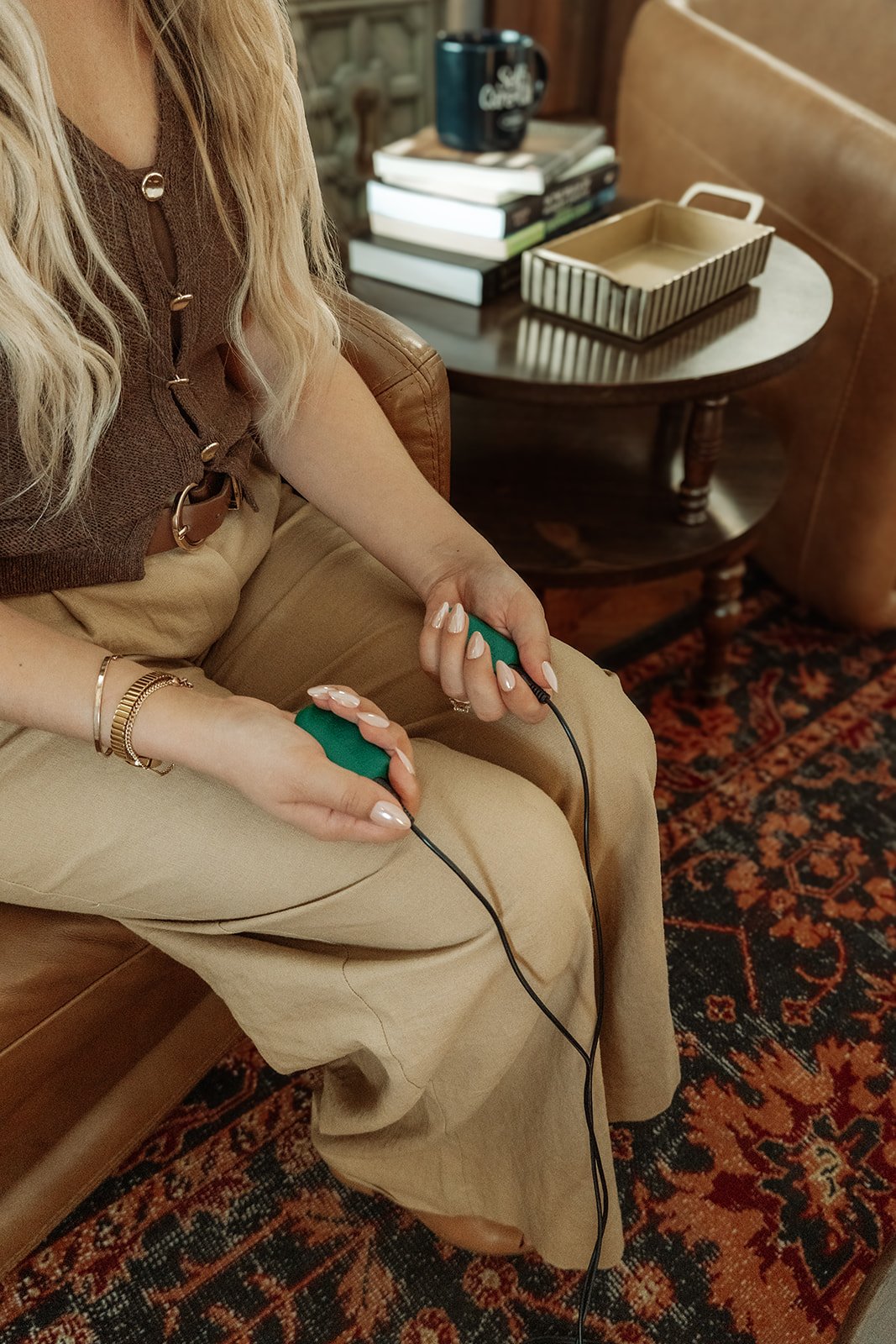
![Therapist holding EMDR bilateral stimulation buzzers during session, EMDR attachment therapy The Woodlands Texas]()
EMDR Therapy
Eye Movement Desensitization and Reprocessing is a powerful tool for processing the early relational experiences that taught your nervous system how to love, and rewiring what it expects from relationships now.
-
![Therapy office details with planner and books, Post Induction Therapy relational trauma treatment The Woodlands Texas]()
Post Induction Therapy (PIT)
PIT was specifically developed for attachment and relational trauma - helping you identify and heal the childhood wounds that are quietly driving your relationship patterns and sense of self.
-
![Therapist writing notes during Accelerated Resolution Therapy session, attachment trauma therapy The Woodlands Texas]()
Accelerated Resolution Therapy (ART)
ART quickly reduces the emotional charge of painful relational memories - the experiences that shaped how you attach, trust, and protect yourself in relationships.
-
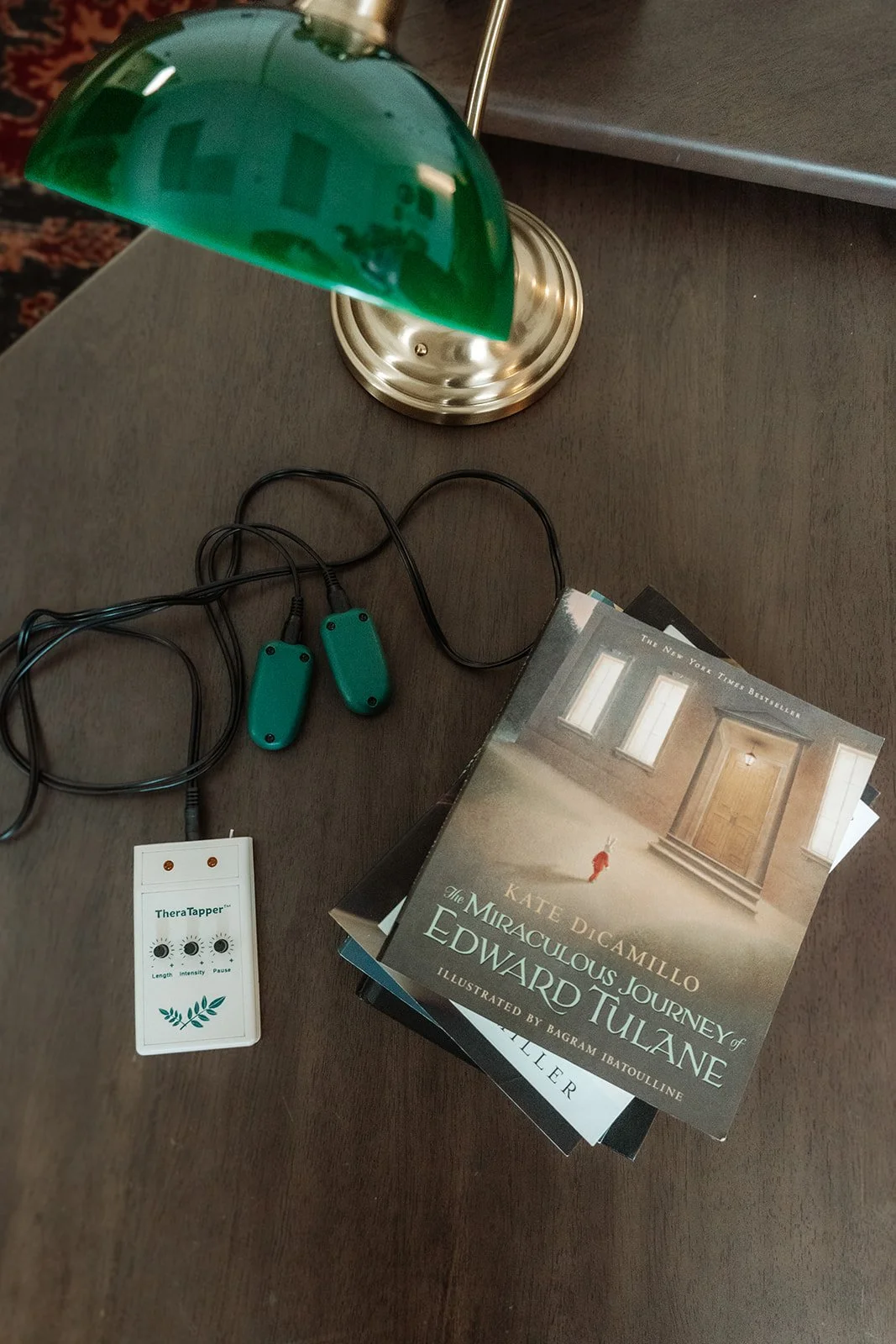
![therapy office with theratapper bilateral stimulation device and books, attachment trauma intensive therapy The Woodlands Texas]()
Intensive Therapy
For attachment work that benefits from extended, uninterrupted time - intensives can compress months of healing into focused sessions for deep and lasting relational change.

Frequently Asked Questions
-
Because attachment patterns don’t live in the thinking brain. They live in the nervous system. You can have a complete intellectual understanding of why you do what you do and still have a body that responds automatically based on old wiring. That’s exactly why insight alone isn’t enough, and why the approaches I use are designed to work at the level where these patterns actually live.
-
Absolutely. Attachment patterns show up everywhere - in friendships, at work, and in the relationship you have with yourself. Doing this work outside of a romantic relationship can actually give you more space to explore your patterns without the intensity of a current dynamic.
-
Yes, and this is one of the most well-researched findings in psychology. Earned secure attachment is absolutely possible regardless of how you started out. It requires more than insight. It requires actually experiencing something different in a safe and relational context. That’s exactly what this work creates.
-
Yes, and many people do. Attachment styles aren’t rigid categories, they’re patterns that can shift depending on the relationship, the context, and how safe you feel. You might be anxious in romantic relationships and more avoidant in friendships, or your style might have changed over time based on your experiences. Part of our early work together is understanding your specific patterns across different relationships - not just putting a label on it.
-
Attachment therapy focuses on your individual patterns - where they came from and how they show up in all your relationships. Couples therapy focuses on the dynamic between two specific people. Individual attachment work is usually a great foundation regardless of whether couples work is ever on the table.
-
Attachment work tends to go deeper than symptom-focused therapy because we’re working with patterns built over many years. That said, clients often notice meaningful shifts relatively quickly in how they respond to conflict, how they communicate needs, and how they choose relationships. We’ll talk about realistic expectations early on and reassess regularly as we go.
-
Not unless you want to. This work is about understanding your own patterns and how you respond in relationships now. Plenty of clients do this work privately, in their own healing, without it ever involving a conversation with the people who were part of their history.
-
It can. The Woodlands is a community that can create a particular pressure to maintain the appearance of a healthy relationship even when you’re struggling privately. It can reinforce patterns of performing in relationships - being the good partner, the good parent, the one who has it together - while your emotional needs go chronically unmet. These are the kinds of patterns that attachment therapy is designed to address.
-
If the same dynamic keeps showing up in different relationships - with different partners, different friends, different dynamics - that’s usually a sign that something deeper is driving it. Personality differences explain why two specific people clash. Attachment patterns explain why you keep finding yourself in the same emotional territory with different people. If the pattern follows you, it’s worth exploring.
The relationships you want aren’t out of reach
This work is worth it, and I’d be honored to do it with you.
*If you’re in The Woodlands or the greater Houston area and have been carrying relational patterns you can’t seem to break, this work is available to you, wherever you are in Texas.
Attachment Therapy in The Woodlands, Texas
Serving The Woodlands and all of Texas via telehealth